Electrical systems are a critical component of a home’s safety and functionality. During a home inspection, the electrical system is evaluated to identify visible conditions that may present safety concerns or indicate the need for further evaluation.
Understanding how electrical systems are inspected helps clarify what inspectors look for and how findings should be interpreted.
Overview of the Electrical System
A residential electrical system delivers power from the utility service to the home’s electrical components. This system includes service equipment, distribution panels, wiring, outlets, switches, and connected fixtures.
Inspectors evaluate these components as a system rather than as isolated parts.
Service Equipment and Panels
The inspection typically includes observation of the main service disconnect and distribution panels. Inspectors note panel location, labeling, visible wiring methods, and general condition.
Common observations may involve panel accessibility, missing or improper labeling, signs of overheating, corrosion, or modifications that affect safety.
Branch Circuits and Wiring
Visible wiring methods are examined where accessible. Inspectors look for improper splicing, unsupported wiring, exposed conductors, or wiring types that may be associated with safety concerns.
Because most wiring is concealed within walls and ceilings, the inspection is limited to what can be visually observed.
Outlets, Switches, and Fixtures
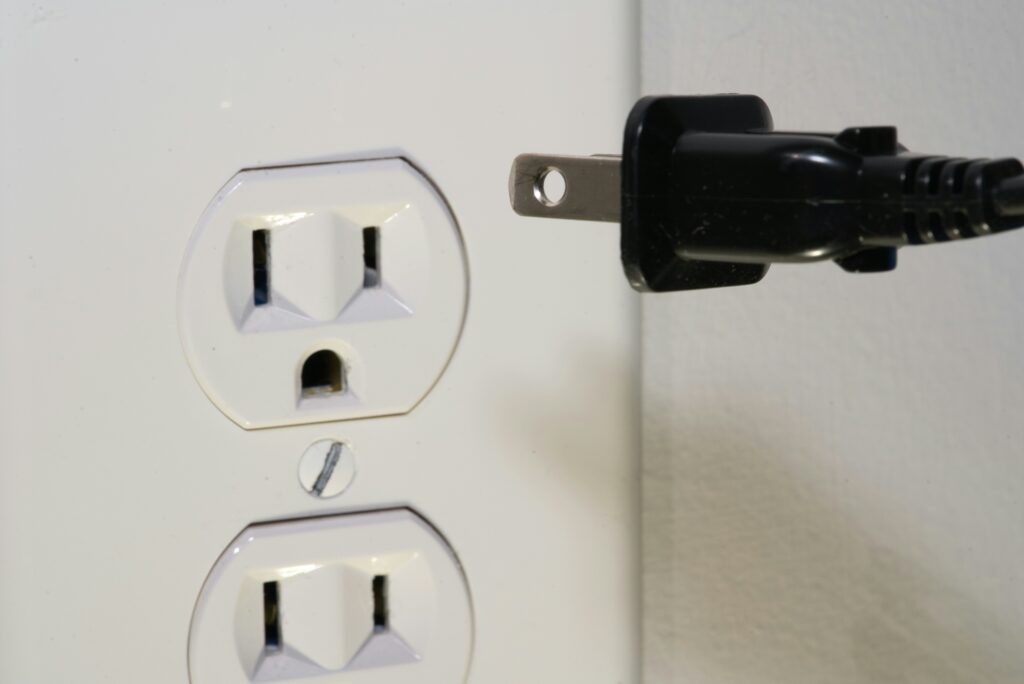
A representative number of outlets and switches are tested to verify basic operation. Inspectors observe for improper grounding, reversed polarity, or damaged components where testing allows.
Fixtures and visible electrical devices are also observed for signs of damage or improper installation.
Grounding and Bonding
Proper grounding and bonding help reduce the risk of electrical shock and equipment damage. Inspectors observe visible grounding and bonding components and note conditions that may affect system safety.
This evaluation is limited to visible components and does not include verification of underground or concealed connections.
Safety Devices
Inspectors check for the presence of safety-related devices such as ground-fault circuit interrupters (GFCIs) and arc-fault circuit interrupters (AFCIs) where they are commonly expected.
The inspection verifies basic operation but does not confirm compliance with current electrical codes.
Limitations of Electrical Inspections
Electrical inspections are visual and non-invasive. Inspectors do not open walls, disassemble panels beyond accessible covers, or test every circuit.
Conditions may exist that are not visible or that occur intermittently and therefore may not be identified during the inspection.
When Further Evaluation Is Recommended
If visible conditions suggest potential safety concerns or system deficiencies, inspectors may recommend further evaluation by a qualified electrician.
These recommendations help clarify risk and are not a prediction of failure.
Electrical inspections provide important insight into a home’s safety but are limited by accessibility and visibility. Understanding these limits helps ensure inspection findings are interpreted accurately and responsibly.