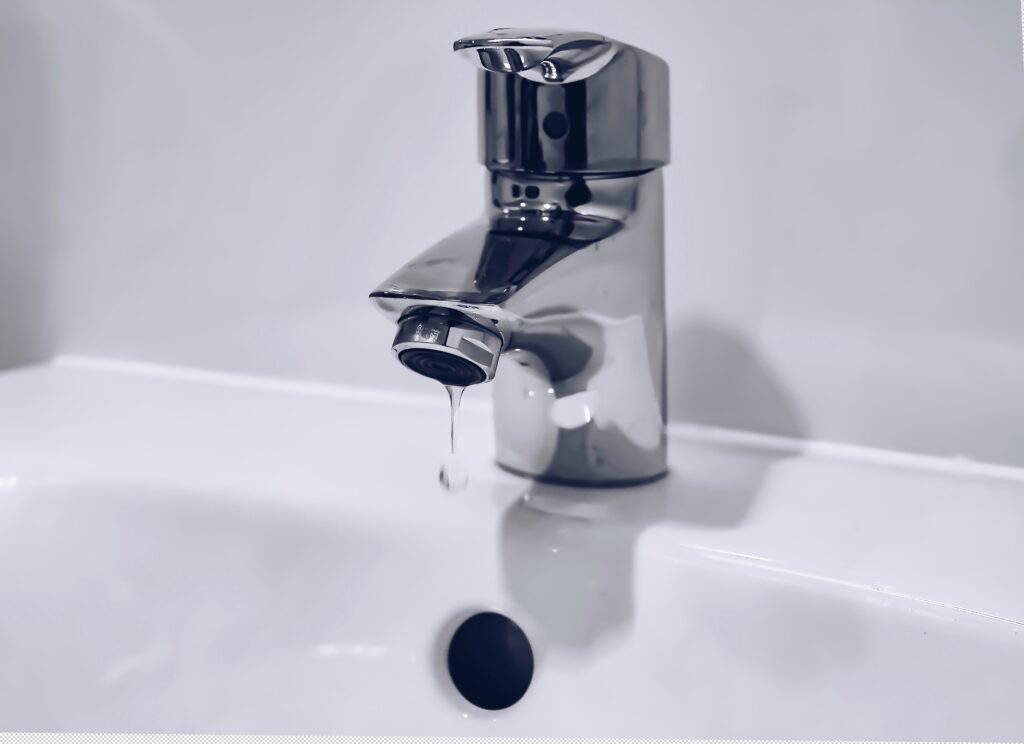
Plumbing systems play a vital role in a home’s daily function, delivering potable water and removing waste safely. During a home inspection, plumbing systems are evaluated to identify visible conditions that may affect performance, safety, or maintenance needs.
Understanding the scope and limitations of plumbing inspections helps set realistic expectations.
Overview of Residential Plumbing Systems
A residential plumbing system consists of supply piping, distribution piping, fixtures, drains, vents, and water-heating equipment. These components work together to deliver water where needed and remove wastewater efficiently.
Inspectors evaluate plumbing systems as a whole, focusing on visible and accessible components.
Water Supply Observations
Inspectors observe visible supply piping and operate a representative number of fixtures to assess basic water flow and pressure. This helps identify leaks, improper materials, or functional issues at accessible points.
Because much of the supply piping is concealed, the inspection cannot evaluate every section of the system.
Drainage and Waste Systems
Drainage and waste piping are observed where visible, and fixtures are operated to check for proper drainage and signs of leakage. Inspectors look for slow drains, leaks at visible connections, and improper installation practices.
Internal drain lines and underground piping are not visible and fall outside the scope of a standard inspection.
Fixtures and Fittings
Sinks, toilets, tubs, showers, and other fixtures are operated to observe condition and basic function. Inspectors note visible damage, improper installation, or signs of leakage.
The inspection does not include disassembly of fixtures or testing beyond normal operation.
Water Heating Equipment
Water heaters are evaluated to observe installation, visible components, and general operation. Inspectors look for signs of leakage, improper venting, corrosion, or safety concerns at accessible areas.
The inspection does not include internal examination or efficiency testing of water-heating equipment.
Venting and Drainage Performance
Proper venting is essential for effective drainage. Inspectors observe visible venting components and note conditions that may affect system performance.
Because venting systems are largely concealed, evaluation is limited to accessible areas.
Limitations of Plumbing Inspections
Plumbing inspections are visual and non-invasive. Inspectors do not perform pressure testing, sewer camera inspections, or destructive investigation unless those services are specifically contracted.
Concealed leaks, underground piping issues, and intermittent conditions may not be identified during a standard inspection.
When Further Evaluation Is Appropriate
If visible conditions suggest potential plumbing concerns beyond the scope of the inspection, inspectors may recommend further evaluation by a qualified plumbing professional.
This recommendation helps clarify risk but does not indicate certainty of failure.
Plumbing inspections provide valuable insight into visible system conditions while acknowledging inherent limitations. Understanding these boundaries allows inspection findings to be used effectively and responsibly.