Roofing systems play a critical role in protecting a home from weather, moisture intrusion, and structural damage. Because the roof is one of the most exposed components of a property, it receives careful attention during a home inspection.
Understanding how inspectors evaluate roofing systems helps clarify what information an inspection can provide—and what limitations exist.
The Role of the Roofing System
A roofing system is designed to shed water and protect the structure below. When functioning properly, it directs moisture away from the building envelope and prevents water intrusion into interior spaces and structural components.
Even small deficiencies in a roofing system can lead to significant damage over time if left unaddressed.
Visual Evaluation from Accessible Areas
Roof inspections are visual assessments conducted from accessible vantage points. Depending on conditions and safety considerations, inspectors may evaluate the roof from the ground, from a ladder, or by walking the roof surface.
Factors such as roof height, pitch, weather conditions, and surface material influence how the inspection is performed.
Roof Covering Materials
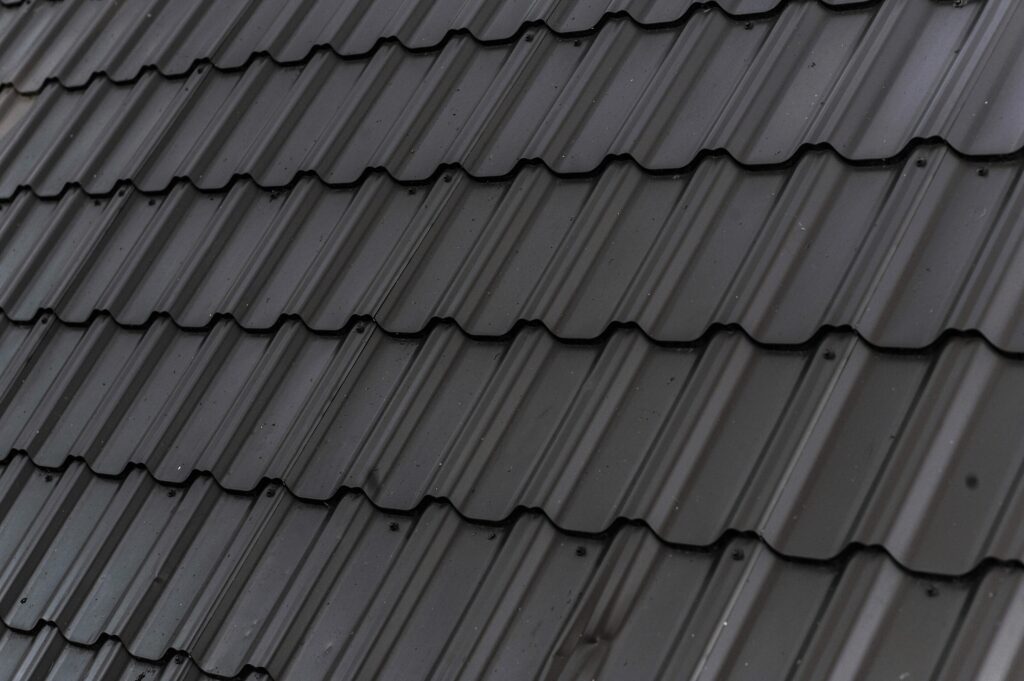
Inspectors identify the type of roof covering present, such as asphalt shingles, metal panels, tile, or other materials. The inspection focuses on visible signs of wear, damage, or deterioration.
Observations may include missing or damaged materials, excessive granule loss, cracking, curling, or improper installation patterns.
Flashing and Penetrations
Flashing and roof penetrations are common areas of concern. Inspectors examine flashing around chimneys, vents, skylights, and roof transitions where leaks are more likely to occur.
Improperly installed or deteriorated flashing can allow water intrusion even when roof coverings appear otherwise intact.
Drainage Components
Gutters, downspouts, and roof drainage patterns are evaluated when present and accessible. Proper drainage helps prevent water from backing up under roofing materials or accumulating near the foundation.
Inspectors note visible obstructions, improper slope, or missing components that may affect drainage performance.
Roof Structure Observations
When attic access is available, inspectors may observe the underside of the roof structure. This can provide insight into framing conditions, ventilation effectiveness, and signs of past or present moisture intrusion.
Interior observations often complement exterior roof evaluations.
Age and Service Life Considerations
While inspectors may comment on the apparent age or general condition of roofing materials, inspections do not predict remaining service life. Roofing longevity varies widely based on material, installation quality, maintenance, and environmental exposure.
Limitations of Roof Inspections
Roof inspections are subject to several limitations. Unsafe conditions, inaccessible areas, weather, or fragile materials may restrict evaluation.
Inspectors do not perform destructive testing or remove roofing materials to inspect concealed components.
When Further Evaluation Is Recommended
If conditions observed suggest potential concerns beyond the scope of a visual inspection, inspectors may recommend further evaluation by a qualified roofing professional.
This recommendation helps clarify risk and does not necessarily indicate that failure is imminent.
Roof inspections provide valuable insight into one of the most critical systems of a home. When understood within the scope and limitations of a visual inspection, they help property owners make informed decisions about maintenance and risk.