


Roofing Systems — How Inspectors Evaluate Roofs
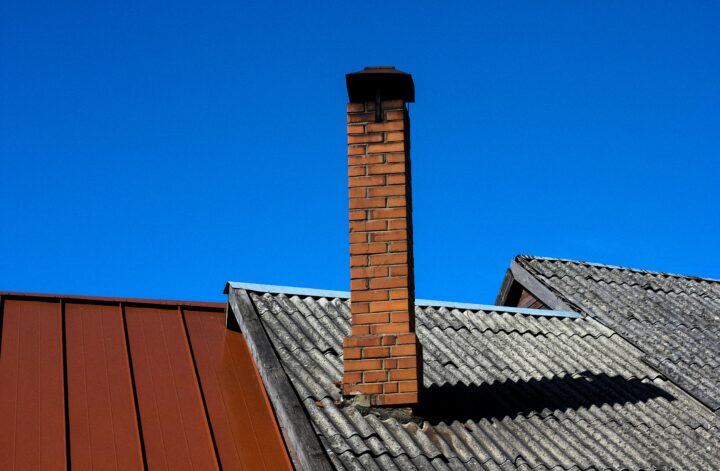
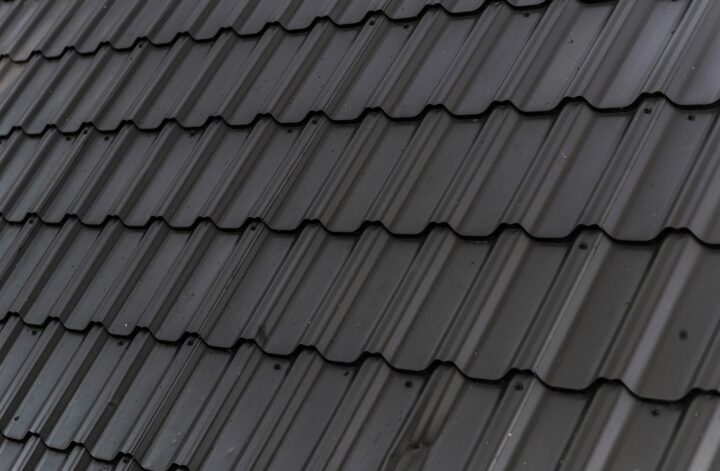
Roofing systems play a critical role in protecting a home from weather, moisture intrusion, and structural damage. Because the roof is one of the most exposed components of a property, it receives careful attention during a home inspection. Understanding how inspectors evaluate roofing systems helps clarify what information an inspection can provide—and what limitations exist. […]

Continue Reading

Foundations and Structural Observations During Home Inspections

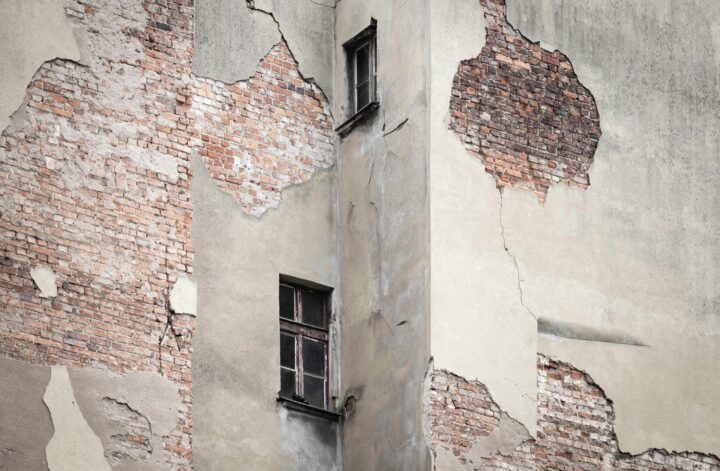
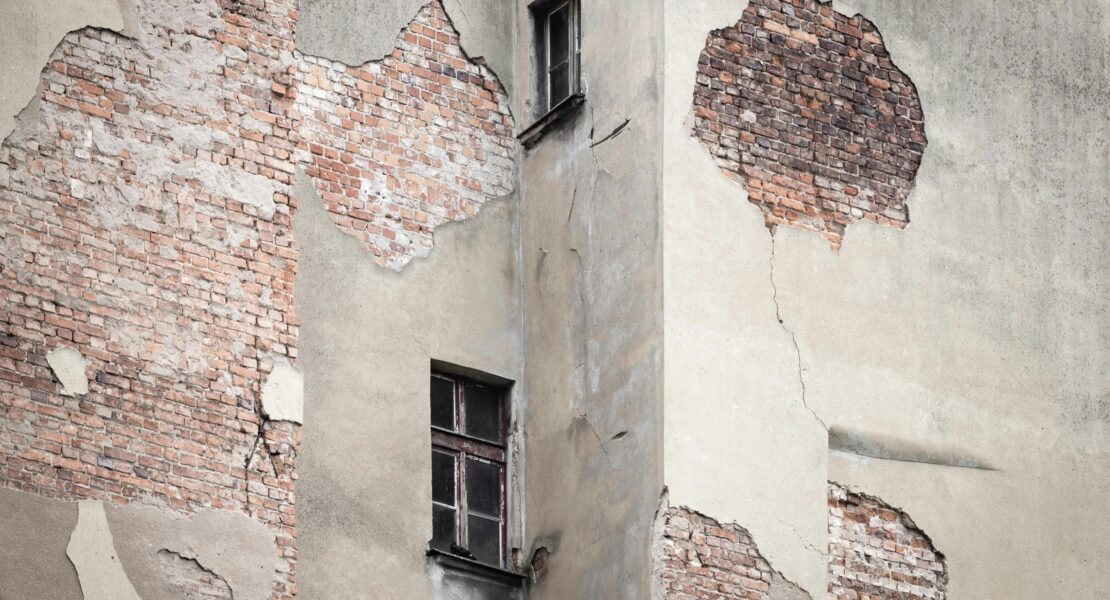
Foundations and structural components form the backbone of a building. During a home inspection, these elements are carefully observed to identify visible conditions that may affect stability, performance, or long-term maintenance. Understanding how inspectors evaluate structural components helps clarify what information an inspection can provide—and where its limits lie. The Role of the Foundation and […]

Continue Reading

The Difference Between Residential and Commercial Inspections

Residential and commercial property inspections share a common goal—evaluating the condition of a building—but they differ significantly in scope, complexity, and approach. Understanding these differences helps set appropriate expectations for each type of inspection. Purpose and Intended Use Residential inspections are typically performed for one- to four-unit dwellings and are commonly associated with real estate […]

Continue Reading

Why No Inspection Can Identify Every Defect

Home inspections are an important tool for understanding a property’s condition, but they are not exhaustive investigations. Even a thorough inspection cannot identify every possible defect that may exist within a home. Understanding why this limitation exists helps set realistic expectations and supports more effective use of inspection findings. Inspections Are Limited by Visibility Many […]

Continue Reading

Heating and Cooling Systems Explained

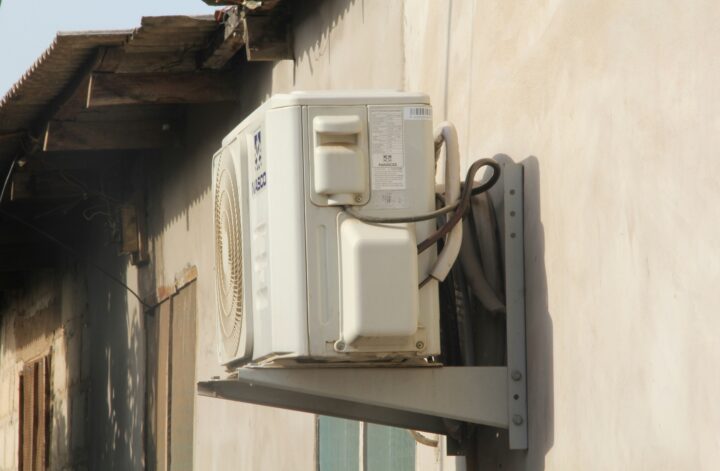
Heating and cooling systems play a major role in a home’s comfort, energy use, and indoor environment. During a home inspection, these systems are evaluated to identify visible conditions and operational concerns that may affect performance or safety. Understanding how heating and cooling systems are inspected helps clarify what information an inspection can reasonably provide. […]

Continue Reading

Plumbing Systems — Scope and Limitations

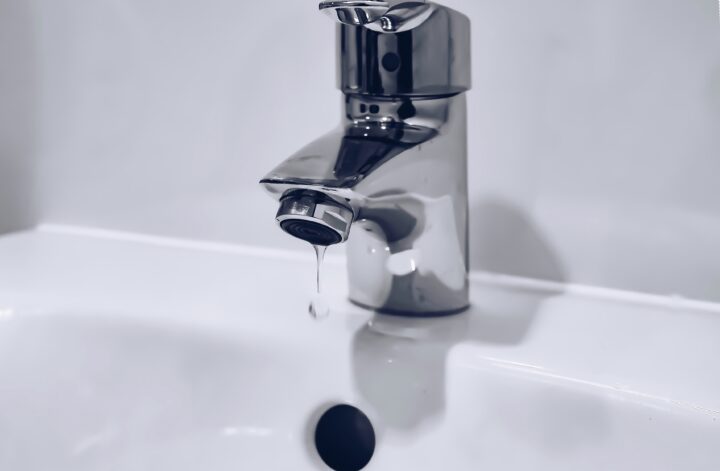
Plumbing systems play a vital role in a home’s daily function, delivering potable water and removing waste safely. During a home inspection, plumbing systems are evaluated to identify visible conditions that may affect performance, safety, or maintenance needs. Understanding the scope and limitations of plumbing inspections helps set realistic expectations. Overview of Residential Plumbing Systems […]

Continue Reading

Electrical Systems in Residential Inspections

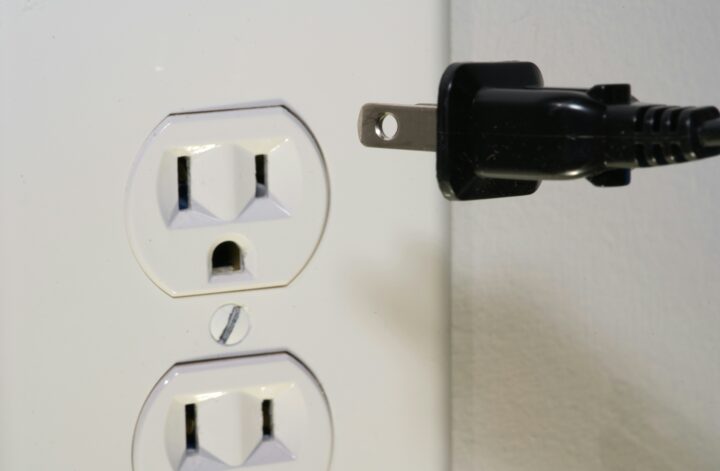
Electrical systems are a critical component of a home’s safety and functionality. During a home inspection, the electrical system is evaluated to identify visible conditions that may present safety concerns or indicate the need for further evaluation. Understanding how electrical systems are inspected helps clarify what inspectors look for and how findings should be interpreted. […]

Continue Reading

Roofing Systems — How Inspectors Evaluate Roofs
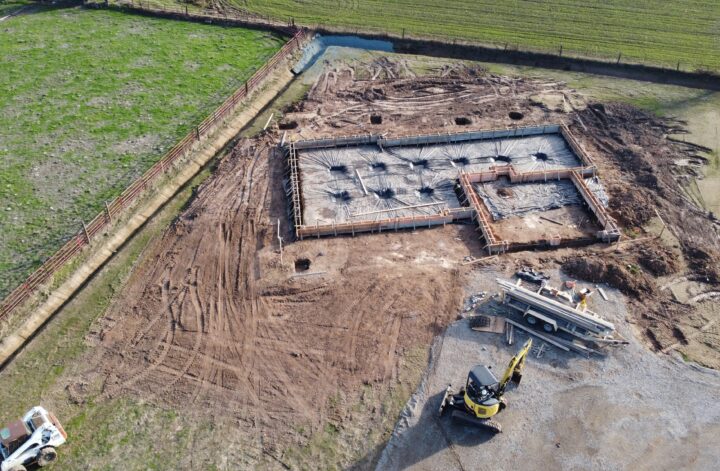
Roofing systems play a critical role in protecting a home from weather, moisture intrusion, and structural damage. Because the roof is one of the most exposed components of a property, it receives careful attention during a home inspection. Understanding how inspectors evaluate roofing systems helps clarify what information an inspection can provide—and what limitations exist. […]

Continue Reading

Common Misunderstandings About Home Inspections

Home inspections are an important part of the property evaluation process, but they are often misunderstood. Misconceptions about what an inspection is meant to accomplish can lead to unrealistic expectations and confusion when reviewing an inspection report. Clarifying these misunderstandings helps ensure inspections are used appropriately and effectively. A Home Inspection Guarantees the Condition of […]

Continue Reading

Why Home Inspections Are Visual, Not Invasive

Home inspections are designed to evaluate a property without causing damage or altering its condition. This is why inspections are performed as visual, non-invasive assessments rather than exhaustive or destructive investigations. Understanding this distinction helps clarify what an inspection can—and cannot—reasonably uncover. The Purpose of a Visual Inspection The goal of a home inspection is […]

Continue Reading