Heating and cooling systems play a major role in a home’s comfort, energy use, and indoor environment. During a home inspection, these systems are evaluated to identify visible conditions and operational concerns that may affect performance or safety.
Understanding how heating and cooling systems are inspected helps clarify what information an inspection can reasonably provide.
Overview of Residential HVAC Systems
Residential heating and cooling systems vary widely in design and configuration. Common systems include furnaces, heat pumps, boilers, air conditioners, and various distribution methods such as ductwork or radiant systems.
Inspectors evaluate these systems as installed and accessible at the time of the inspection.
Heating System Evaluation
Heating equipment is operated using normal controls when conditions allow. Inspectors observe system response, visible components, and basic operation.
Observations may include equipment condition, visible venting or exhaust components, and general safety considerations. The inspection does not involve internal disassembly or performance testing.
Cooling System Evaluation
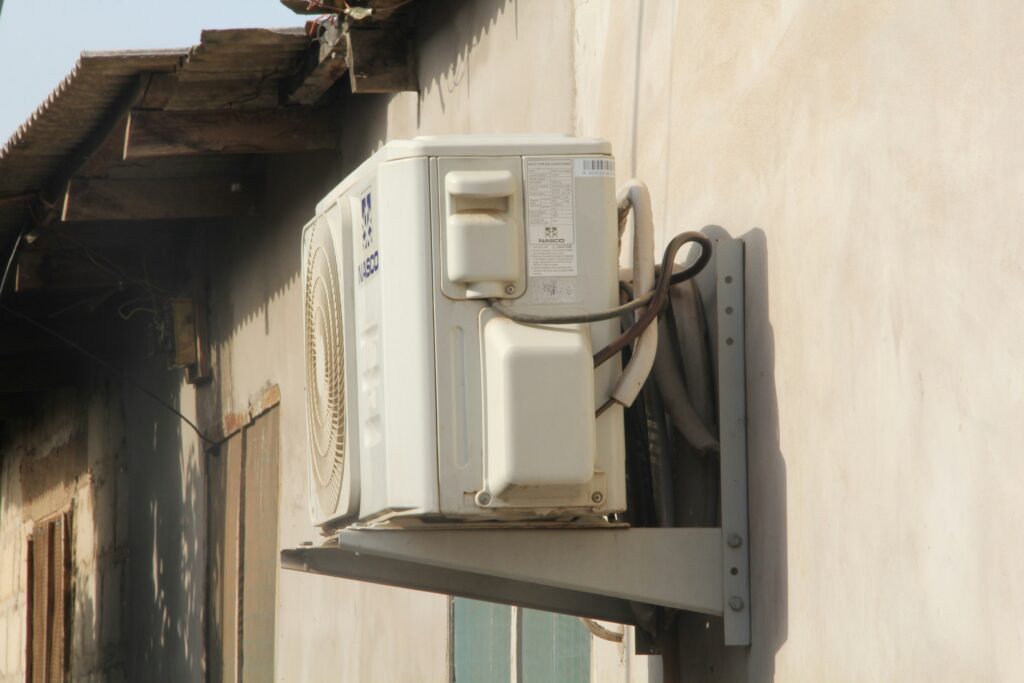
Cooling systems are operated when ambient conditions are appropriate. Inspectors observe start-up, general operation, and visible components such as condensers, air handlers, and accessible refrigerant lines.
Temperature differentials may be observed, but inspections do not measure efficiency or predict cooling performance under all conditions.
Distribution Systems
Ductwork, registers, and distribution components are observed where accessible. Inspectors look for visible damage, improper installation, or conditions that may affect airflow.
Concealed ductwork and internal components are not fully evaluated.
Controls and Safety Devices
Thermostats and visible safety devices are operated to verify basic functionality. Inspectors note conditions that may affect system operation or occupant safety.
These observations are limited to normal user controls.
Limitations of HVAC Inspections
Heating and cooling inspections are visual and non-invasive. Inspectors do not disassemble equipment, measure system capacity, or verify manufacturer specifications.
Some conditions may only become apparent under specific operating conditions or seasons and may not be present at the time of inspection.
When Further Evaluation Is Recommended
If visible conditions suggest potential concerns beyond the scope of a general inspection, inspectors may recommend further evaluation by a qualified HVAC professional.
Such recommendations help clarify risk and are not predictions of imminent failure.
Heating and cooling inspections provide valuable insight into system condition and operation within defined limits. Understanding these limits helps ensure inspection findings are interpreted realistically.